
And in other news, the "Fish Right Eat Right" program is a pilot project that started two years ago and since then, it's allowed data to be gathered on marine life being caught out at sea.
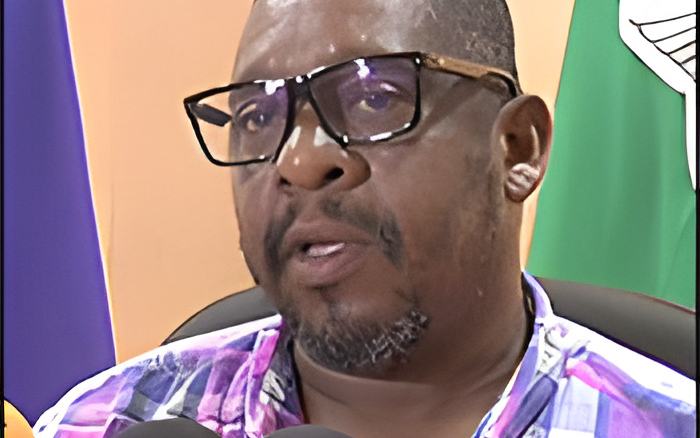
You might remember that last year, Oceana Belize launched the app so that restaurateurs and consumers can trace where their fish comes from. And today, they held a forum to highlight the outcomes and lessons that have been learnt so far. Oceana's vice president, Janelle Chanona, told us more.
Janelle Chanona, Vice President, OCEANA Belize
"What the Fish Right Eat Right initiative really looked at with all the partners was just filling a data gap, because we have some idea of what we are exporting because we can document through customs and through the co-operatives - we can look at how much conch and how much lobster is going out, but there was really a data gap in terms of domestic fin fish locally, because that's considered, its not being exported, its a national market, we didn't have much idea of what was being consumed there and so when the initiative looked at just Caye Caulker and San Pedro in terms of how much fish was being consumed particularly through national and the international demand via the tourism industry - it really opened up in terms of this is a considerable market and I think what we've heard today from the regulators and other stakeholders is that data has never been a bad thing and we need to continue to collect the data and we need to continue to make sure that we can make decisions that have been formed by the relevant data. So the fact that we're using hundreds of pounds a night at just one establishment is critical in terms of assessing, what do you really need to do to make sure that those stocks in fin fish species like snapper, like grouper - what do we need to do to make sure that they remain viable so that we can continue to consume at that level."
Reporter
"Based on the information highlighted today, what's something that stood out to you that you might have said wow, I didn't know that?"
Janelle Chanona
"One of the interesting things one of the presentations showed that lobster can get stressed, so depending on how you catch lobster and how you ice it and how you handle it, you end up with droopy lobster versus another plump lobster. So that was interesting in terms of here we are thinking maybe only humans get stressed, but the way you catch lobster also dictates the quality of the meat and I think that could be an anecdote in terms of the way we handle our fish in terms of how we catch them, the gear that we're using - if its look stick versus a loop for instance might dictate ultimately the price that we get for it and I think that's really one of the big take away from the Fish Right Eat Right initiative in that more and more people global traveling they want to know who's catching my food, how are they handling it, what gear are they using and they want answers to that question before they consume a meal and if they can get those answers the actually willing to pay more for it."
And the project's coordinator, Jacinta Gomez, explained more about the app bridging the gap between fishers and restaurateurs.

Jacinta Gomez
"So the entire idea for the pilot was basically to provide the business model that the Fish Right Eat Right program was lacking while also giving fishers greater access to new markets. So what we're seeing is that restaurants in the tourist areas were having a hard time trying to meet the demand for fin fish in high tourist season and you have fishers in other parts of the country that have all this fish but don't have access to the restaurants that needs it. So what we are trying to do with the market place is to bridge that gap and provide them with access to the markets. We know that restaurants are willing to pay a higher price for premium product and this technology guarantees traceability, so you can actually see your fish being caught as an end consumer in a restaurant."
"We are definitely hopeful that we can expand nationally eventually. We found that with the fishers it is a business preposition at the end of the day for them. Its their bread and butter and if we are saying that using this technology gains them new clients, you can sell your fish before it's even landed, so as its caught you can post it on the app and the restaurant is already seeing it, so its quicker and it also provides you with the traceability aspect so you can charge more for your product using the technology."