
And finally, for tonight, we report on the latest in that 4-page letter of concerns that the coalition of NGOs wrote to Dr. Kenrick Williams, the Chair of the National Environmental Appraisal Committee.
As we told you, they made sure to meet the September 14th deadline for views from the public about the proposed mega-development at the Port of Belize by Waterloo Investment Holdings Limited. You'll remember that heated public consultation that happened at the Biltmore Plaza Hotel on September 1st. Well, as we told you, the NGO coalition sent Dr. Williams a laundry list of concerns and unanswered questions that they left that consultation with.
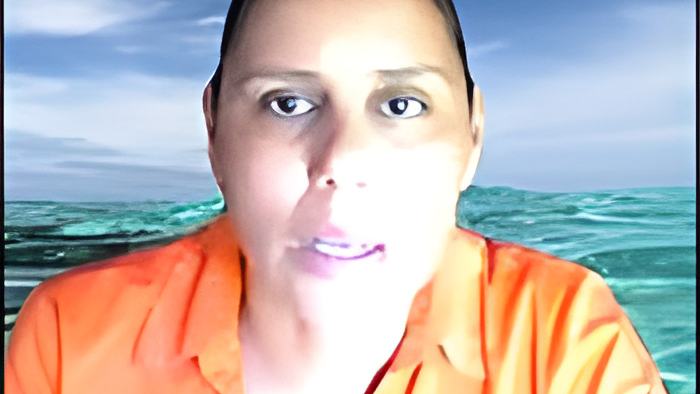
They are still awaiting a full response from CEO Williams, and earlier this week, Senator Janelle Chanona spoke with our newsroom. Here's what she had to say about a few of the bigger issues they want addressed:
Janelle Chanona - Senator for the BNN
"I think the collective concern, again, being expressed by the signatories of the letter is that there are still a lot of questions. There are still some concerns that need to be addressed. There are still some, I think, legal questions that need to be answered. But certainly, I think one of the biggest kinds of issues - if you could call it that - is that from its own executive summary in the documents presented, it doesn't appear that the developer justifies an expansion of the cruise tourism market. There is no indication that there will be an increase in direct or indirect cruise revenue contributions to the national economy. It just presents itself as a way of fragmenting the market that could displace current jobs already held by Belizeans. But most glaringly, you know, that scenario could be a way that would shift the power dynamic from Belizeans and give cruise companies the opportunity to create their own environment conducive to their own profit margin. I think the issue of public consultation as a whole, as a concept nationally, is one that certainly we will be working diligently towards making sure that there's a definition for what public consultation is. Because I think it was clear, and I think at one point during the September 1st meeting, there was even a reference from an official, from the DOE, saying, you know, maybe this is an opportunity to trigger a public hearing concept. So, that in itself told me that even, you know, it was clear, it was evident that you know, the session that was organized that night, and the format of it was not conducive to the type of exchange and the clarity and making sure that everybody walked away feeling consulted, rather than insulted was not there. When you're raising concerns about potential health issues, when you're raising concerns about air quality, when you're raising concerns about noise, this is not. We all know what it is when we wake up at 6:00 in the morning to weed whacker, or you wake up in the morning to jake breaks or something, that even a temporary aggravation is like irksome. But if you think about, you know, what would that mean to the people in the immediate vicinity of that project? What would it mean to the air quality for everyone that, you know, that would be impacted by that, then you begin to think, but that would be an everyday thing. And we certainly raise that, you know. There wasn't that effort to make sure that that was meaningfully addressed, and something as serious as that and potentially as hazardous as that needed to have been addressed in a better manner. You know, the comments in terms of even going to noise going to air pollution, you know, the no-shore power, meaning that the engines would be running every time the vessels are in port. And even this weekend, I was down south, you know, you saw the smoke rising from the ship and in port at Harvest Caye. And, you know, again, it was it brought back the visual of, if we're having four or five shoes in port, what that would sound like, what that would smell like, what that would look like. And those are two things that we need to be considering because, again, once we go down that road where we're in it, then, you know. We don't want to be having to mitigate at that level, something that we could have addressed before."