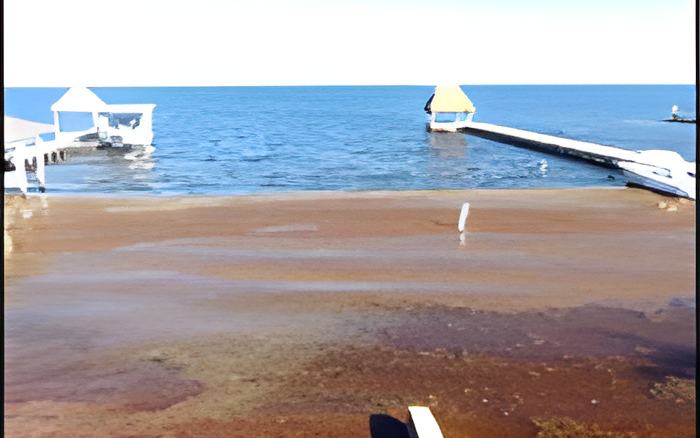

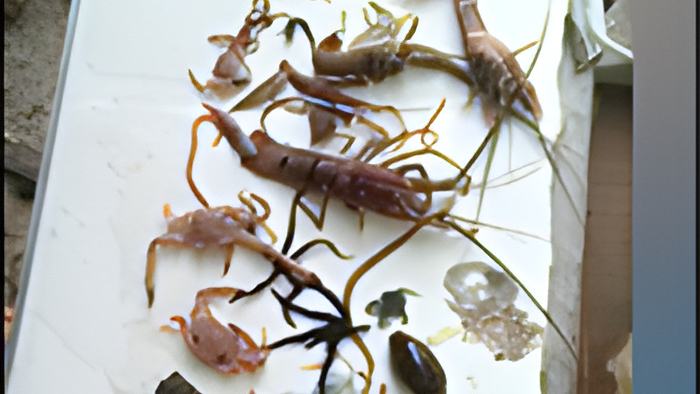
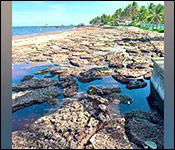
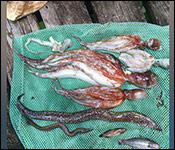
San Pedro residents are finding dead fish, sea urchins, octopuses and other marine life on their shoreline. It's a result of the massive amount of sargassum that has blanketed the waters. It's more than has been recorded in recent years - even more than clean up crews can handle. And now, it's suffocating the reef.
Tour operator Elito Arceo spoke about what he's been seeing and biodiversity scientist Valetin Rosado explained how the effects of this sargassum wave are worse than before. They spoke via Zoom.
Elito Arceo, Tour Operator

"I'm sure that even the town board cleaners that are cleaning are seeing the fish. It is all over the place, it's not just one spot. Some areas you can see the birds from the beach, the birds are eating the fish. When I say dying, everything is dying, and usually it's a lot of babies. Baby sardines, urchins, octopuses, boat fish, snapper, everything is dying. So it's not just one area, the whole, I'n sure the whole coastline of the island is like that. You see everything dying. My point in saying that yesterday is because the marine biologist who lives close to me, he says he's seen signs of coral bleaching and you will see that because the brown water, the discoloration, is on top of the corals and the reef in some areas, you can actually see a couple hundred feet before it touches the reef itself."
Valetin Rosado, Biodiversity Scientist
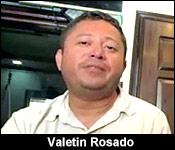
"What's alarming about this situation is that for about 3 years we've had fish deaths, especially close to the shoreline, close to the shoreline the sargassum drifts and once it ends up in the shoreline, they're not designed to live outside of the water so then they begin to die quickly and then they rot and all the fish that live along the beach, the smaller ones, like the puffer are usually the first ones, they usually suffocate because the decomposition of the sargassum reduces the amount of oxygen in the water and especially on calm days when you don't have that wave action moving the water the fish that stayed close to the sargassum, they basically suffocate and die."
"However, what happened this week is way up north where the reef is closer to the beach, the sargassum stretches all the way out to the reef and the fishes living there are dying. And that's something that's really unprecedented but it shows the level of wash in that we're getting and that the impact is now immediate."