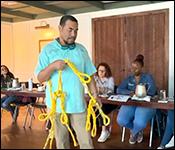

CoralCarib, a regional initiative led by The Nature Conservancy, is currently holding a Seaweed Cultivation Training in Belize with 3 other countries participating, learning how to to build practical skills in sustainable red seaweed cultivation. Jomarie Lanza stopped by the workshop today and here's what she gathered from the event.
The Coral Caribe Project that was launched in 2022 was designed with an aim to provide an innovative and science based path towards coral reef resilience with economic benefits for local communities that are feeling the sting of climate change.
Given that the Caribbean itself is home to 10% of the world's coral reefs, with 60% of them spread out across countries like Belize, Jamaica, Haiti and the Dominican Republic, these countries have partnered to reduce common threats against their coral reefs.

Maxene Atis, The Nature Conservancy, Coral Caribe Project
"Its an annual planning meeting where we have colleagues from other 5 countries of implementation get together and really do a quick review of what we accomplished for the past year and also a plan for the next year and that's what we did here for the first couple of days but this year we added a couple more activities. The second one being a learning exchange with the super reef projects in Belize. And super reef is a project focused on on those reefs that are resilient coral ecosystems but they have a slightly different approach and that is why we come here to learn their methods but the third thing we are doing this year is the training we have in the women's seaweed association of Belize training our colleagues from the other countries of the project."
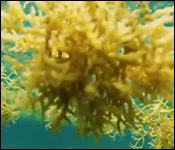
Seaweed aquaculture has gained traction and success within the past year in Belize, and was identified as an alternative or a supplemental livelihood for stakeholders like fishermen. Jamaica is hoping that they can replicate the work in their country and provide training on how to establish a Seaweed farm.

Dr Dexter Colquhoun, Research program manager, alligator head foundation Jamaica
"Belize is one of the regional leaders especially in fisheries we hope to get where you guys are sir that is why we jumped on this opportunity in terms of protection you guys are one of the forerunners, one of the first persons to declare protected areas and we are hoping to follow that module. In Jamaica we have been increasing the number of fish sanctuaries that we have, protected areas in general with the aim of helping our fishers to recover."
"So basically the seaweed farming offers an alternative and sustainable livelihood and which is what we are promoting we are trying to reduce the threats to our reef and to our fisheries and so activities like Mariculture seaweed farming is one opportunity for fishers to change their livelihoods and move away from the fisheries and we are also promoting other alternative fisheries like pelagic or deep sea fishing and all of this is just to reduce the pressures on the reef."
Reporter
"Do you think an industry like this would do well in Jamaica?"
Dr Dexter Colquhoun, Research program manager, alligator head foundation Jamaica
"Definitely and that is the hope that we are having to bring back these skills to our local fishermen and to give them an alternative opportunity but not necessarily trying to stop the, from fishing but definitely yes in some areas but for many of the fishermen in Jamaica they have been fishing all their lives and so we are not trying to take them away from the seas we are just trying to offer them an alternative opportunity for their livelihoods."
Unfortunately, like in any agricultural industry, it's the same in aquaculture: starting is the hardest part and a seaweed farm does not exactly appear overnight: you'll learn the ropes as you go along, quite literally, how to tie them and keep your seaweed from floating away in the rough waves.

Kenrick Montes, Seaweed farming Officer, Boat Captain
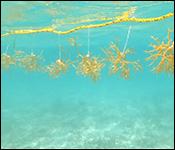
"I was discussing with them how we make the ropes what are the sizes the different splices and then from there on I set out a diagram of the plots that we use to plant our seaweeds."
"Well starting off I didn't really have any challenges with planting the seaweed, prepping the ropes because I already know how to do splices and thing so when they gave me the opportunity to go to the farm and work with them and plant seaweed, pretty much it was a great learning process for me."
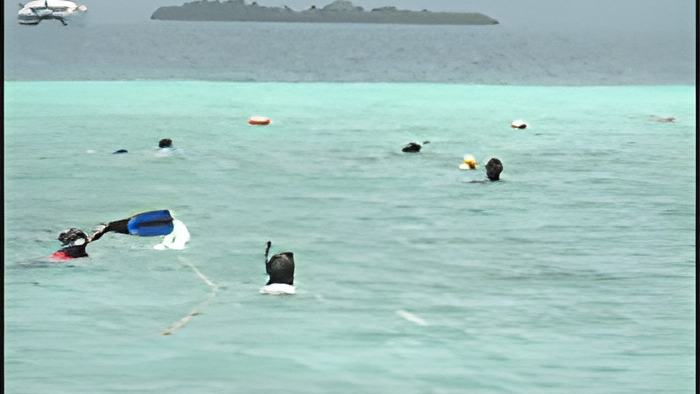
"Right now we have 8 plots, 7 plots on the farm and one tour plot. So when we go out and we plant normally it would take 3 months growth time for us to go back and harvest. Within one day we can go out and we can harvest around 100 sacks that would be 3500 wet weight for the day yeah."
For fishers that have spent years relying on the sea for a plentiful catch, to feed their families and support their households, the only difficulty that they may face in shifting over to Seaweed aquaculture would be that it takes a while to see the product, in comparison to going out to fish and bringing home a product in a day. However TNC's Mariculture specialist says that they see it as keeping the seamen in the sea, something that they are already familiar with as opposed to other agricultural ventures.
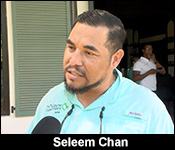
Seleem Chan, TNC, Mariculture specialist
"I think the major interest would be more so for the stakeholders that we are not removing them from the sea there have been alternative livelihood options in the past where we have experimented and I use the term experiment because we have tried to ask or encourage fishers to do pig rearing or venture in agricultural activities and it didn't really catch on. The hearts of fishers is that they gravitate to the ocean so If we are asking them to relieve some of the stresses on our commercial species we would need to identify alternative means of livelihood that does not take them away from the sea so seaweed aquaculture is one of them and there is still underwater in the water which is an integral part of them so I think that approach is one that I truly appreciate as well because I consider myself as a water person and so removing me and putting me into the forest yes I enjoy it but I still gravitate to go back to the sea."
The workshop continues tomorrow and on Saturday they go out to do fieldwork.