
Today, Aids activists held a conference for the protection and care of orphans and vulnerable children living with HIV and Aids. The conference was organized by the Cornerstone Foundation and UNICEF. They hope to increase the efficiency of a system to care for these children. Alfonso Noble found out how it will work and why it matters.
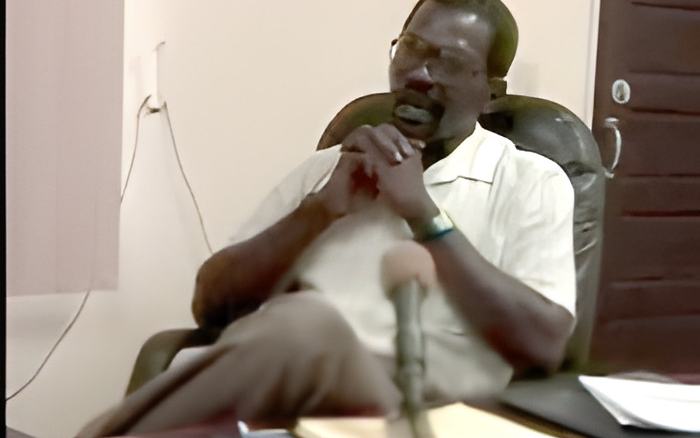
Anna Silva, Cornerstone Foundation
"We have approximately fourteen thousand children right now affected by HIV and Aids. Around 2010, 2% of our population will be children made orphans because of HIV and Aids so it is a huge problem."
A huge problem that CEO of Cornerstone Foundation Anna Silva says is being addressed though a network that is being set up across the country. The way it works is that community nurses aids gather information on infected persons and their families and refer them to community information coordinators or CIC's as they are called. Those coordinators see to it that those needs are met.
Anna Silva,
"We have a core of people in each district who we call the CIC which stands for Community Information Coordinators. This group of people gather organizations or pull in organizations and businesses from different areas in their community, even individuals, who can donate transportation, food, clothing, books, whatever they can so that when we get the assessments in, that assessment goes to the community information coordinator and they in turn gather whatever good or service is required for that particular family."
One of those CIC's is Lenny Alcoser, she works out of the Corozal District and she says that in her field of work the demands are great.
Lenny Alcoser, CIC
"Presently we have ten families that we are catering to which consists of forty people, 8 grownups and 32 children and it is an ongoing job; picking up donations, delivering. And the nurses aids, we have about 45 of them in the Corozal District, they come from the villages, the towns, and they are ones that are directly involved in supplying food and finding out what these people need and then they will come to me and they would say this is what we need and I am the one that goes out and ask for donations and see that I can get these things to these people. Most of the problems and things that we have, the children are the ones that are least involved but are most affected. It is a thing of grownups most of the time and then the children are the ones that are affected and like Mrs. Flowers said, they lack education, they lack nutrition, a good home, because either one of the parents is sick, the husband infects the wife, when the wife gets sick the wife leaves, and then she stays with the children and this is what we work with; these are the people we work with."
And that's why they are asking the community to get involved in helping the suffering children.
Anna Silva,
"Days gone by we used to say it takes a community to raise a child. This is exactly what this network is going to be doing. We need to get business places or any one concerned enough about children affected by HIV to take part in this workshop. The caring for children program will be a network so that children can access services, food, and education. Those are the primary issues right now of persons living with HIV."
There are persons in charge of collecting and filling assessments in every district. Additional information on the network can be obtained by contacting Cornerstone Foundation at aidslink@hotmail.com.