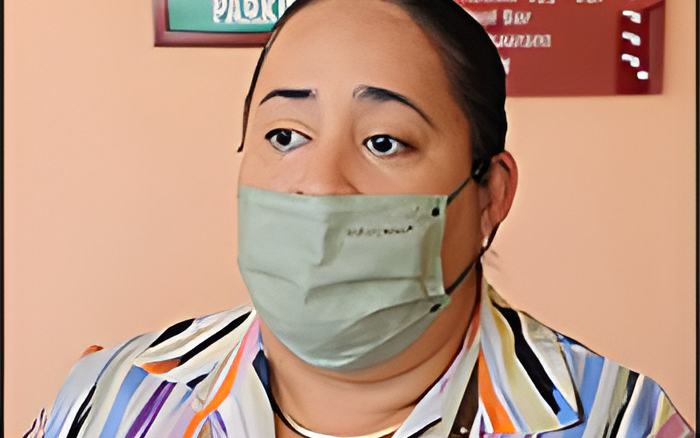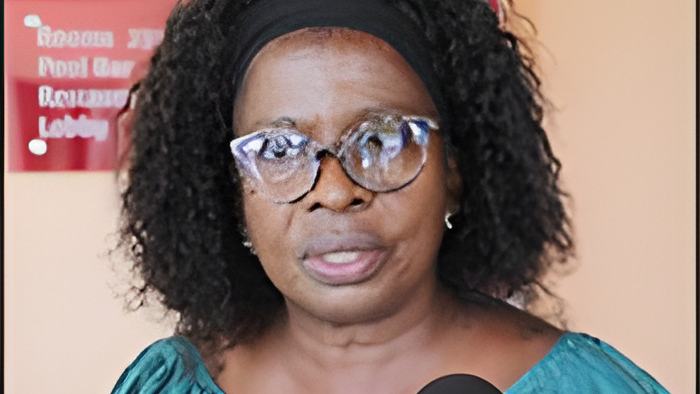
And one person who's been championing the rights of elders is the executive director of Helpage Belize, Ivorine Bulwer. Bulwer explained today that the conference discussion centered around two types of abuse.
One of them refers to caregivers who physically, emotionally, or mentally abuse those they are supposed to nurture, and the other refers to the elderly person neglecting themselves.
Here's how she broke it down:
Ivorine Bulwer, Executive Director, Helpage Belize
"The discussion that is being looking at are carer neglect and self neglect and I think it's important to really highlight these components because we have caregivers, we're talking about carers within the home, carers within institutions, carers within the hospital setting, so these carers can be nurses, they can be aides, and they can be general individuals who are providing care in the home. And you're talking about self-neglect and those are individuals who neglect themselves so you're looking at the caregiver intentional abuse and the self neglect person, non intentional, neglect. So what we need to highlight in terms of the carer neglect, it is important that we all professionals have an understanding what is abuse, to recognize what is abuse, how to manage abuse, and how to create strategies to provide support to these caregivers."
And the executive direction of the National Aging Council spoke about the kinds of abuse that reach their office:
Ix-Chel Poot, Executive Director, National Council of Aging

"Elder abuse takes on about seven different recognized areas but what we do get mostly reported at the National Council of Aging, is fraud or swindling when an older person has been a victim of their signature taken away from them to sign over land, property, or someone has gained illegal access to their bank account and used all of the resources. So that is the first that is normally brought to the National Council of Aging."
"So in this case, we're looking at older people really losing what they have worked their entire life course for with very little repercussions to the perpetrators. What we also see is abandonment, specifically with older men, and that can be varying factors, it could be social structures, fathers who are not present in the lives of their children or there have been breaks within the family structure so that when the person has become older, there is no support system for them and they face challenges on their own."