
And while only the psychiatrist attending her can properly diagnose her, based on what she explained, one professional mental health counselor deduced that she may be dealing with postpartum depression.
It's a form of depression that immediately follows the birth of a child, due to hormonal changes, psychological adjustment, and fatigue.
While it is something that many mothers endure, a lot of pregnant women don't know about it, and many times they don't reach out and ask for help. In this case, this mother did, though her method is accompanied by legal consequences.
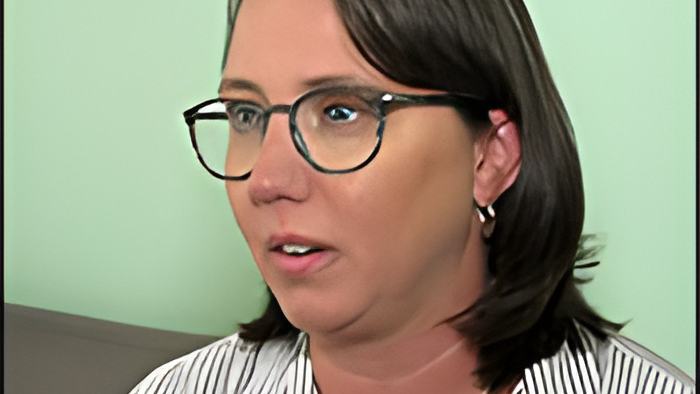
However, that isn't the only solution. Today, we spoke to Christa Courtenay, a professional counselor at Monarch Counseling and Consulting, who told us more about postpartum depression.
Christa Courtenay, Professional Mental Health Counselor
"It's really concerning because postpartum depression is something that is, it happens to a lot of people, and often mothers aren't prepared for it, they don't know what to do with it, you know, you have this baby and then you start having these feelings and everybody expects that when you have a baby you're overwhelmed, maybe you're tired a lot, it's stressful, as much as it can be beautiful, it's also stressful, so when thoughts and feelings start to get much worse and include harming yourself or your babies, that can be really scary, and obviously a lot more has to be going on sometimes for people to then take an action on that and we know that it has happened in our past but it's very concerning and I really hope that we can find some help for her."
"With the amount of trauma that people in our society face at a very young age, the likelihood of mothers experiencing depression after delivering a baby is probably higher because once you have pre-existing conditions or traumatic events, even a history of depression in your family, those things automatically increase your risk factors for developing things like postpartum depression after delivering your baby. and there's a difference between postpartum depressing and just the baby blues, you know, some people just experience this little bout of sadness, difficulty managing your mood, that is normal, maybe a little cry-y for a couple weeks after having a baby, but postpartum depression can last months, even longer, and generally get worse overtime if it's not treated properly. Sometimes talking to someone, a professional, about it and getting some help teaching you some tools is sufficient, sometimes we need to escalate that and sometimes people need the help of medication to manage their mood, their changing hormones after having a baby, and anything else that the person may be dealing with because it's not just having a baby, it's the context that comes with that as well."
And while it is difficult to ask for help, Courtenay urges those who are dealing with similar thoughts and feelings to reach out.
Christa Courtenay, Professional Mental Health Counselor
"This is a much greater mental health conversation that we continue to try and push out. Also the need to continue exercises that reduced stigma surrounding asking for help. Asking for help is something that they put on your primary school report card because you need to be able to do that in order to get through school when you're young and you don't know how to do everything for yourself. But there's this notion that once we're an adult, we're supposed to know how to do everything ourselves, and we don't want to tell anybody and we don't want to reach out for help and sometimes, it's like what she said, it's not that she didn't want to, it's not that she didn't think she had somebody who would listen, but the act of actually saying I'm having these thoughts, I don't know what to do with this, can be really really scary to admit both to yourself and worse to someone else and so it's just really important for people to continue to have these types of conversations and get really really brave and asking for help."
"A couple general resources that may help you navigate all the questions you may have, mindhealthconnect.com is a website that people can visit, we've done the best that we can to make sure that all the private and public resources that are available in Belize for mental health and wellness services are listed on this site so that includes your emergency rooms in every district, it includes any polyclinics that exist in any of the areas in Belize and it also includes private psychologists and counselors who may offer services in your area, whether it's virtual or in person, whether they accept insurance, private pay, whether they have sliding scales or not, all of that information at mindhealthconnect.com. locally though, if you're in a village or any other place not as easily accessible to the town or the major town in that particular district, there should be community health workers in those areas too that you should be able to reach out to to try to get to the next level of resource that you might need."
If you or anyone you know is currently battling feelings of depression and suicidal thoughts, you can log on to the Mind Health Connect website to find out how you can get help.