
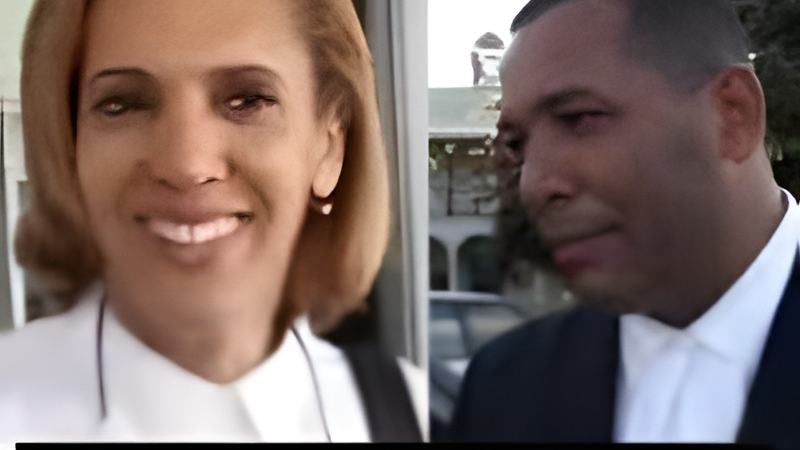
In other news from the Supreme Court, this afternoon Lois Young, representing the Attorney General, and Godfrey Smith, acting on behalf of Telemedia appeared before Justice Samuel Awich to hear his interpretation of Section 112 of the Judicature Act. We first told you about the case last week when Telemedia argued that under the law, Magistrate Court orders are suspended once an appeal has been filed in the higher courts.
The companies sought clarification after Revenue Magistrate Ed Usher issued an arrest warrant for Telemedia’s Executive Chairman Dean Boyce when his company did not pay over $2 million in tax arrears as ordered by the court. In response to that position, Lois Young rebutted Telemedia’s claim, maintaining that the Income and Business Tax Act is “seamless in its stages” and that taxpayers must pay first, then argue later.
This afternoon, Justice Awich sort of split the difference: he declared that the effect of Section 112 is that “the Magistrate Court orders are suspended...however it does not follow that the liability to pay is also suspended.” Both Young and Smith appear to agree that what this means is that while the companies won’t be served with any more arrest warrants if they chose not to pay the taxes, it doesn’t mean that they don’t owe the assessed amounts. But importantly, the judge did not order the refund of any of the taxes that have been paid – and as was noted in the story just before this, possession is nine-tenths of the law.
While the taxes for February and March have been paid in full, albeit under threat of arrest - Telemedia has filed an appeal against the payments demanded for those two months as well as April. That appeal is scheduled to be heard in September.
Of course, by then the whole game will have changed because at Monday’s meeting of the House of Representatives, the Barrow administration amended the Judicature Act to, as the PM put it, “make doubly sure” that taxpayers must pay tax arrears, even as the figure is in dispute. According to Barrow, if it is determined the taxes are excessive, the difference would be reimbursed with interest. The changes to the law were approved by the Senate at its meeting today. Viewers should note that the new rules are not retroactive so they would only apply to new cases and not matters already laid before the court.