And, communal land rights as a human right is the cry coming out of the south.
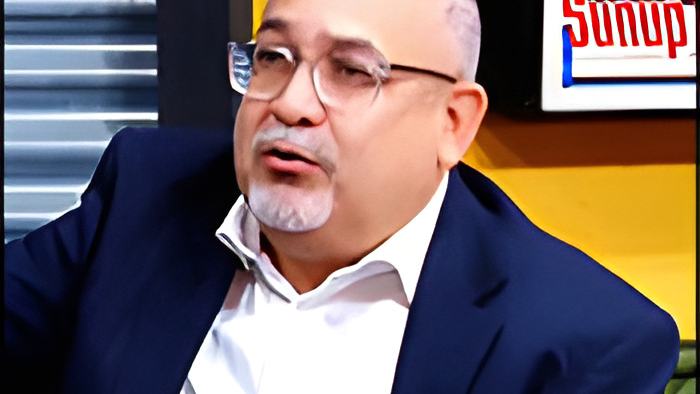
Andrew Marshalleck, the lead attorney for the government in the Maya Land Rights issue, appeared on Sunup on 7 this morning to talk about the progress of the draft policy.
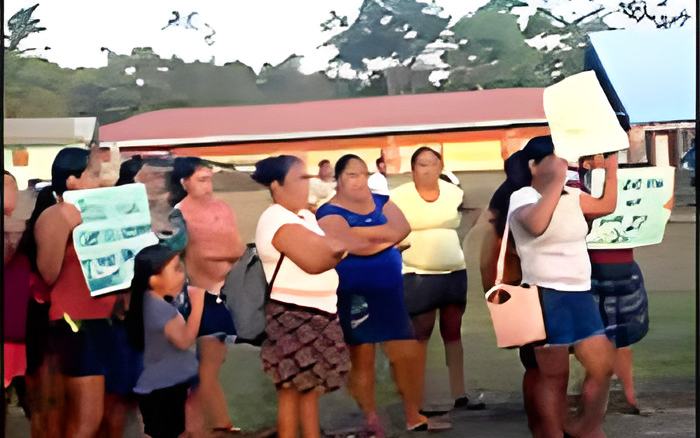
He was asked about the most recent set of consultations, which didn't work out the way the government intended. They had set up the meeting to occur in Punta Gorda, but the Mayas went ahead and had their own meeting in Santa Elena. Marshalleck explained why the government refrained from meeting the crowds of villagers who had come out.
Andrew Marshalleck, Attorney
"And we started those in Punta Gorda in October, November last year. And remember, it's 41 villages. So what they did is they divided it into six zones, largely based on geographical considerations, because we bus people into the consultations. Okay. So you're going to pass and pick people from each village. You bring them to the site and it's all day, they generally run five or 6 hours each. They go from nine till about three or four. So there's breakfast and then there's lunch and we stay and have an exchange. And all those exchanges have been the ones I attended have been quite spirited. The issue is one that impacts lives and nobody takes kindly to being told they're not going to get access to land, whether you're Maya or whether you are non-Maya. Right. So you tend to get very spirited reactions. But we know that we're on track when we've had both the Maya delegation walk out, storm under the impression that they're not being treated fairly. And at the same time we've had non-Maya villages, also storm out for the same reason."
"I can tell you that when the consultations started, it was the government that insisted that we were wider than just the parties to the litigation in the consultation process. And they objected to that then too. So now they're taking a position that's in line with the government's position and suggesting that the consultations go even further than what we contemplated. What the fundamental difficulty with that is, is this and I was there. The consultation was scheduled at the usual place. And then a couple of days before we got this letter, say we're demanding that you have it here. And of course, when you look at it, because they had been they had been making the rounds for the weeks before, drumming up this opposition to the thing. And then they put together hundreds of people and said, come to a consultation. Well, my own view of it, it was that what was being sought was not a consultation, it was seeking an opportunity to make a political statement. So we obliged them. They made their political statement. Well, it doesn't further the consultation process any. And I'll tell you one simple reason why, in the consultation process, I'm looking for the best way, the best solution for moving forward. I hear your views, you tell me what works for you. You tell me why mine doesn't work. It doesn't help me. Not a single bit for you to tell me you reject, my proposal would make not a single such a suggestion offer as to how it should work."