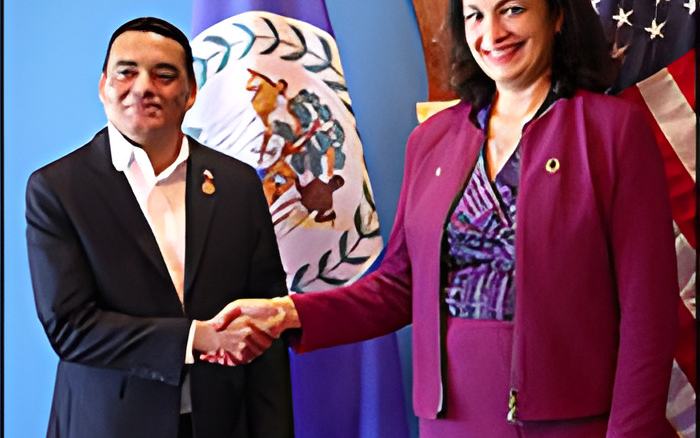

One of the key issues for the US is Belize's Amnesty program - which - as the US sees it - is somewhat reducing migratory pressures on their borders.
But is it, really? With the flood of Central American and global immigrants pushing towards the US border - might that have even undermined the Amnesty program - which came way short of meeting its targets?
We asked today:
Jules Vasquez
"So is the situation of the U.S. border, did that end up working as a disincentive against the projected success of the Belizean Amnesty?"
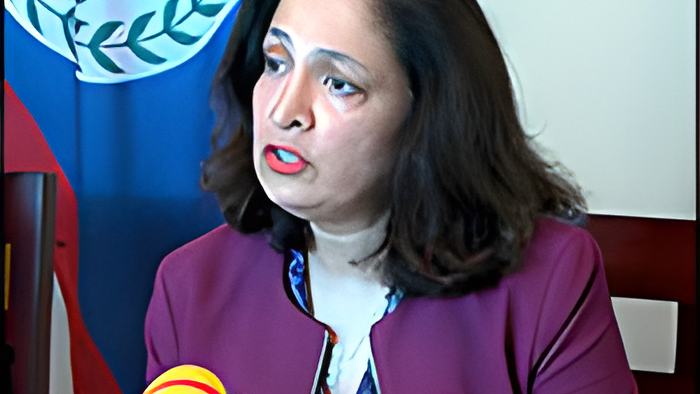
Uzra Zeya, U.S. Under Secretary
"Thank you for this question. I don't share your assessment in terms of the U.S. having a direct impact on the volume of applicants for the amnesty, but I would say a few points here. One, I think it's important to note and commend that just in the last week, the first residency cards were issued as a result of this amnesty process."
Francis Fonseca, Min. of Foreign Affairs
"You're right. This was a very challenging process. It didn't meet our expectations, but there are lots we discussed this in our meeting earlier. There are many factors that contributed to that. First and foremost, the issue of the inability of many of these very poor people to get access to basic identity documents."
Uzra Zeya, U.S. Under Secretary
"But I would put this in a broader regional context because to be very clear, no country, including the United States or Belize, can advance safe, orderly, humane migration alone. It's truly an issue set of shared responsibility and one that really involves the entire hemisphere."
Francis Fonseca, Min. of Foreign Affairs
"We're absolutely committed to working with these communities, the remaining 25,000 or 30,000 people who are still out there to work with them and to work with the IOM and other organizations to make sure that we can also bring them into our society and integrate them into Belize and put them on a path to eventual citizenship as well."