
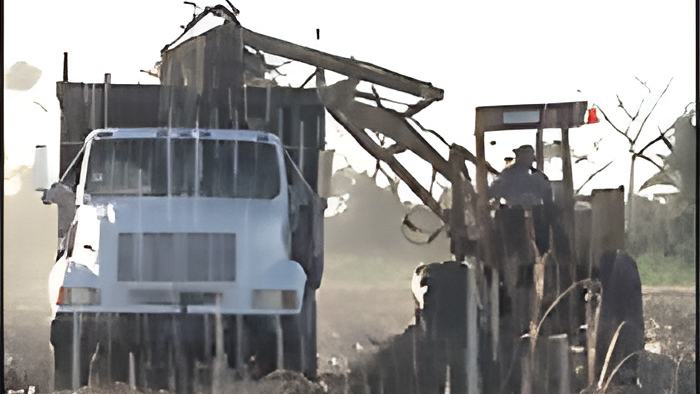
And in finding solutions to other challenges in the industry, labor is one of them - which has led the company to introduce mechanized harvesters.
Could this be the future of cane harvesting? McLachlan weighed in:

Mac McLachlan, BSI General Manager
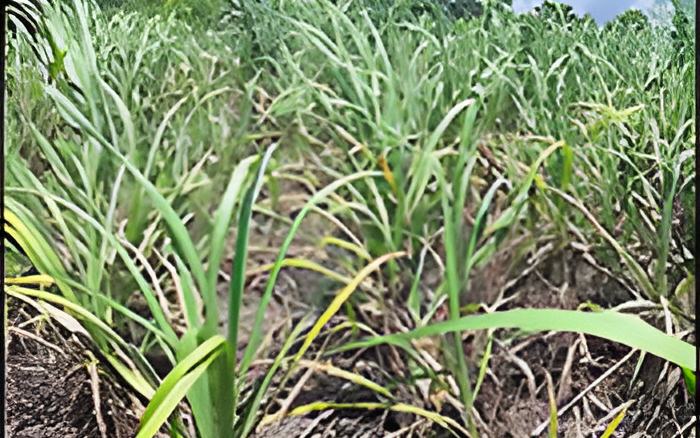
"What we have seen through our trial recesses in that we are moving cane fields from really unsupportable levels of yield so maybe 7-8 or 9 tons of cane per acre to 32, 33, 34 tons of cane per acre so in the same acreage you are going to get a lot more cane and that of course helps revenue for the farmer and it helps bring in more cane to the mill. What we are finding the challenges, modern challenges, many industries are in the same position that there simply isn't the labor now to hand cut cane especially in very sparsely inhabited cane fields because cane cutters are paid on the number of tons of cane that they cut, so if there are not many tons of cane in the field then they are going to be reluctant to go in there and cut it. We are increasing mechanized harvesting and so are the farmers, there are I think 14 new mechanized harvesters are not new but new to the industry across the industry now in the hands of private farmers and we and our contractor partners are expanding the amount of cane that we are mechanized harvesting as well for farmers so we are hoping this year that we will bring about 30% of the cane in mechanized so it will be cut by mechanized harvesters."