It's World Children's Day, celebrated this year under the theme "a day to reimagine a world where every child can lead."
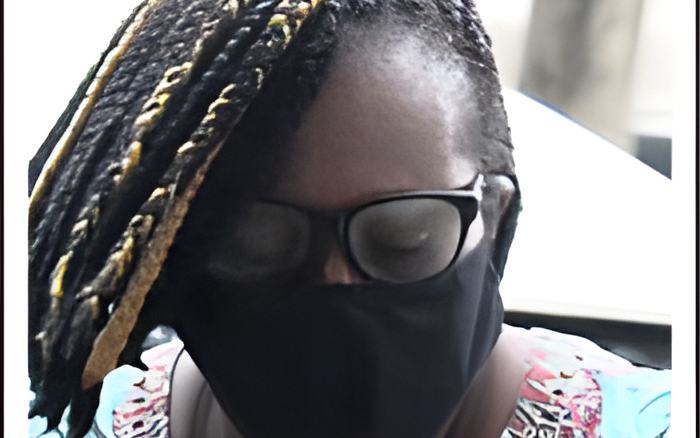
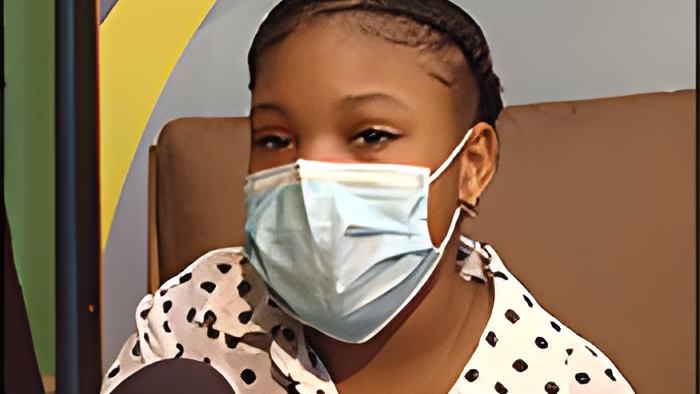
And in the interest of that goal, I spent the day shadowed by a young reporter. She'd been tasked to tell a story about distance learning during the pandemic. It's a necessary measure, but one that, as we've reported many times on this newscast, has widened the educational divides between the rich, middle class, and poor.
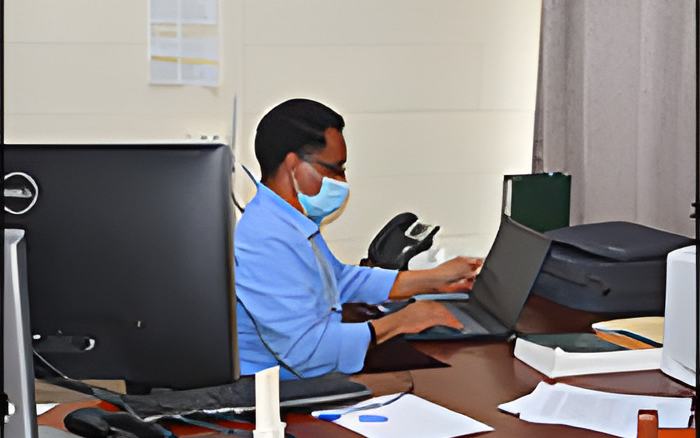
And this afternoon I joined UNICEF youth worker Nyree Kisling as she spoke to civil servants, principals, and even policymakers about what they're doing to make studying at home as inclusive as possible.
Standup, Cherisse Halsall School has been closed for the better part of a year and that's meant a lot of changes for the school-age children trying to move forward in or finish up their education. I'm Cherisse Halsall and my story today is about distance learning.
But, hey this is my story
Standup, Nyree Kisling Imagine a girl who loves her education so much, she goes to school having the urge to learn new things, but also uses the school as a mini getaway from home.
All that came crashing down when school closed due to the covid-19 pandemic, the thing is that girl is me.
Nyree Kisling, UNICEF youth worker
"I expected my second form year to look very nice, because I am a person that loves school and I have a very passionate love for school, so meaning that I cannot go to school or I cannot get to socialize or anything like that it's been a little rough."
"I'm a visual learner, so with these online classes that are going on, um, I can't really understand some of the work, some of them I understand because some of them I had already done in first form so it's just a little review, but some of them it very hard for me, My family members and siblings they are very supportive they always try to help me with my work any chance they get."
"My mom plays a big role in that because when she comes home she asks me, did you log into school? Did you do this, did you do that."
But I know, it's not that way for all kids some don't understand and fail their work because when they turn to their parents for help the parents turn their backs. That's just what I heard from Social worker Coretta Apolonio who told me about the darker side of distance learning
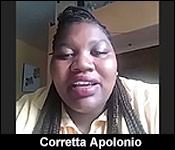
Corretta Apolonio, Supervisor for the youth hostel
"The darker side is the fear that I see from the kids failing because they're not getting it and nobody is stopping to say "hey this is not working let's try to do something differently" because at first they're going to be this standard causes that come in small groups and stuff like that, and then ministry of education changes it completely and just say that we are going to continue online, a lot of the feedbacks I get from the children at the hostel is that this school year they feel that they're going to fail, they can feel that they are already failing because they're not getting that extra help."
And this afternoon we headed to Wesley College, where Principal, Roxanne Cleland told us it's not just about flunking out, it could also be about the loss of a safe haven.
Principal Roxanne Cleland, Acting Principal, Wesley College
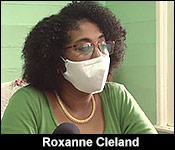
"For children who used to use the school as a refuge, what we do, we still have our outreach where we try our best to make contact with the students to find out how they're coping, we know that this time is a challenge for everybody, what we do is use services and we make use of our telephones to contact parents as well as the children to find out how they are coping being away from the traditional classroom setting."
When it comes to putting measures in place to protect less fortunate children, during the pandemic UNICEF Child Protection Officer Luwani Cayetano says they've had to get creative using multiple mediums to keep track of families, children, and their needs.
Luwani Cayetano, Child Protection Officer
"During COVID we have been really worried and concerned about the fact that you know, families in lockdown, what does that mean? how will we ensure that children are protected? that they still have access to services, to child protection services? So, for example, UNICEF helps by making sure that governments have the equipment to respond."
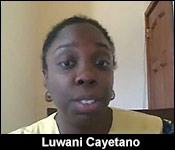
"Another thing that UNICEF does with our civil society partners is they reach out to parents so before COVID they were working with parents as I was saying they were working in communities but then now."
"For their safety it's difficult to go house to house or have people together you know congregating in a room but technology has really helped and so a lot of our civil society partners are reaching out to members of their communities by phone, text, Whatsapp, and so UNICEF really helps to support to create those messages but also to make sure that they have the access."
In Belize, pandemic time distance learning has posed challenges for children and while some are fortunate to have devices and parents who care, while many unfortunate have to figure it out on their own.
Today on World Children's day we have to hope that our institutions, be it the Ministry of Education or UNICEF can work together to provide physical or virtual refuge to ensure that education remains important.
World Children's Day takes place annually on November 20th.