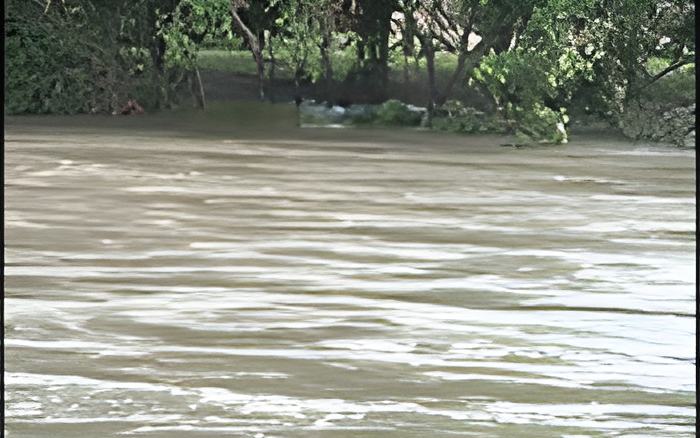

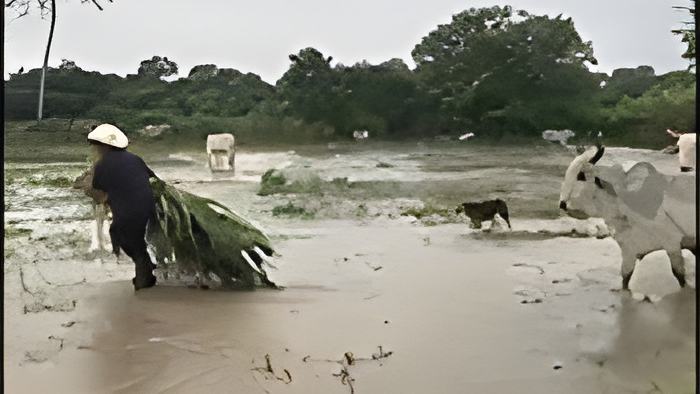
With the green light given to farmers to continue selling their cattle through the informal route, a burden should have been lifted off their shoulders. But from plight to peril as now the recent floods in the Central Belize district have severely affected their livestock - forcing farmers to find inventive ways to get them to higher ground.
Prime Minister John Briceno took it as a priority and spent his November 19 holiday witnessing cattle rescue in Maypen Village, which has been severely affected by flooding. The Minister of Agriculture, Food Security and Enterprise, Jose Mai, along with the BLPA, Banana Bank Lodge, Caribbean Tires and Mennonite Ranchers from Blue Creek and Shipyard provided boats and trailers to rescue the animals, as many were stranded and in danger of drowning.
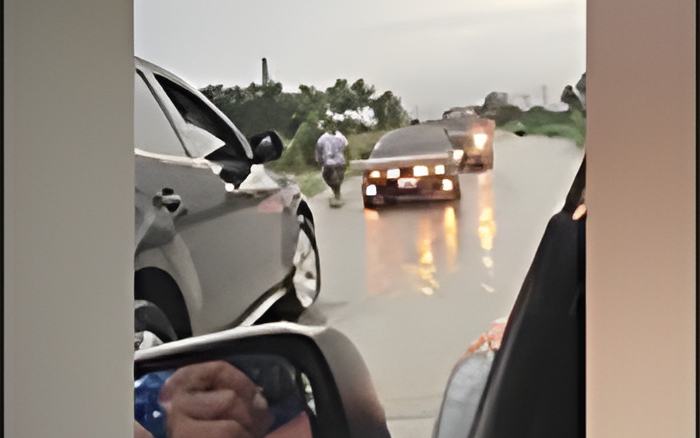
Eyebrow raising videos of cattle practically swimming through the floodwaters reached our newsroom and we spoke to a rancher in the area by phone to find out what they have to endure to ensure they get their their livestock high and dry.
Voice of: Eustace Shaw, Rancher

"Most people especially in the Maypen area had to move their cattle and as we speak the Mennonite community of Blue Creek and Shipyard has gone to Maypen. They have gone with full force taking trailers, tractors, boats, men to assist the farmers that side for moving about 400 heads of cattle and at this point the rain is relentless, the rising has slow down, but still the pastures are overfill with water, so at this time a lot of people are finding it hard to find places for the cattle to sleep. Everybody have started moving their animals. We thought when the first hurricane passed that it would be okay, but after the second one came then it got excessive. You have in Grace Bank and Maypen, you can only access those areas by boat or dorey at this point. So we find it hard that you have to be moving animals by boat. Its costly, it's dangerous and its tiresome. The impact will still remain of the flooding, because even after the water have receded the grass will be sour and the cattle don't want to eat it, over the pastures will be muddy, so even after the flood is gone a lot of pastures would have to be redone."
According to Shaw, if the cattle don't have dry ground to sleep on, they may cramp up and eventually die.