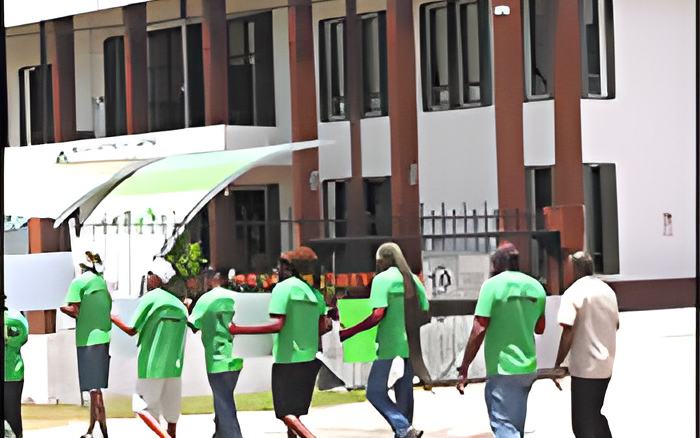

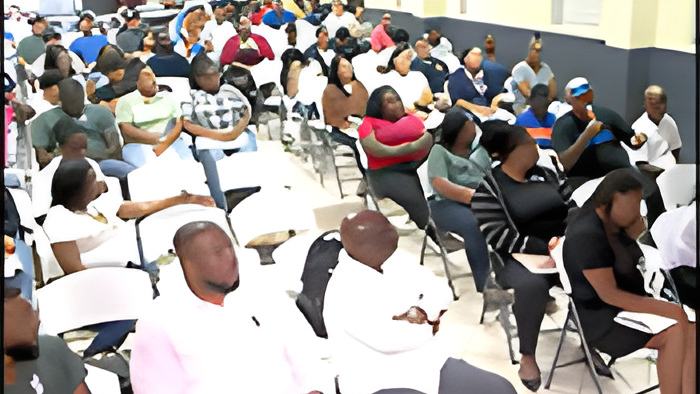
Today the University of Belize held its second annual Restorative Justice Symposium in collaboration with the Leadership Intervention Unit.
It's an opportunity for criminal justice and criminology students to gather insights into the work that LIU and the Kolbe Foundation do as well as hear from those who have been in the system before - with the goal being to forge a framework for restorative justice in Belize. We learned more at the symposium.
Dr Aveka Mano, Assistant Professor, UB
"The intention is to really bring about a greater understanding and need for restorative justice, especially when we look at our young people because a lot of these individuals especially in academics and community, they hear about things, yes, but they need that understanding from those that have that experience, those who have been working in the field, in the communities for so many years and have so much voice there. So our intention is to bring these voices together from various institutions, from the community, from the prison service, from CID for example and have that engagement with our students, with the community at large."
"We have Bachelor of Science as well as an Associate in criminal justice and criminology and we're looking towards expansion, we're working through SICA to get a certificate program that specializes in restorative juvenile justice and that is going to be a foundational aspect of us creating a Masters Program in the near future."

Sgt. Lindsdale Blease, Deputy Commander, LIU
"Partnering with UB is very important because we're trying to move especially with LIU, if you think about the old traditional system when it comes to crime as a police officer also to be honest this is very new for me because I know about you do your crime, I charge, you get convicted and go to jail, whatever happens happens, we know about punishment to be honest. Restorative justice is a new initiative that we're trying to market into this new generation, into schools, and so we have criminologists, we have psychologists and these are the type of people we have working there and these are interns so they're attached to different schools, universities and so we've come together and we decided to see how we could impact this generation, the younger generation so we could see a way forward rather than the old traditions."