
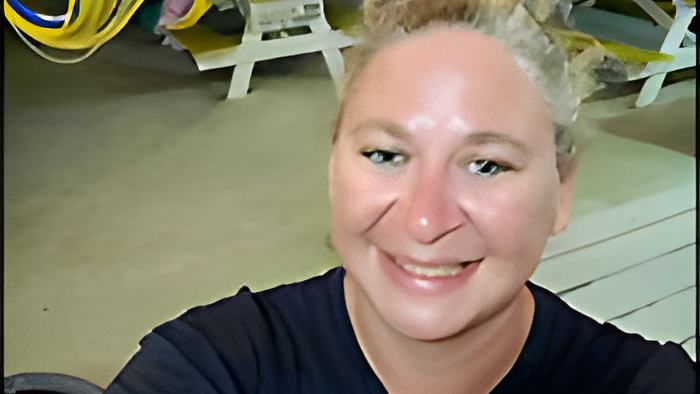
Yesterday we told you about Nicole Robinson, the American woman who was bitten by a crocodile when she went for an early morning swim on Caye Caulker. Fortunately, she was only bitten to the elbow and her injury is not life-threatening.
But while there are many misconceptions about crocodiles, the American crocodile - like the ones found in Belize-does not prey on humans. According to the executive director of the Crocodile Research Coalition, this was likely a defensive bite. Unfortunately for Robinson, she found herself in the perfect storm for a croc attack since it seems humans had previously been feeding it. Here's how Dr Marissa Tellez explained it.
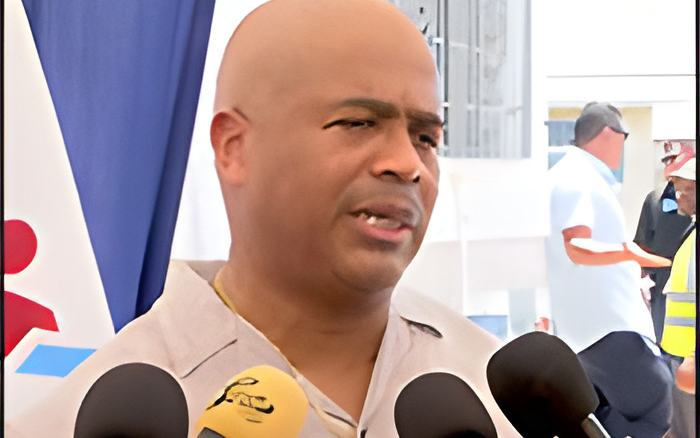
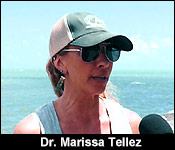
Dr. Marissa Tellez, Executive Director, CRC
"What I can mention right now is that we are in nesting season for the American Crocodile and we are very much aware in this region that usually we see an elevation of attacks that happen because females are protecting their nests and I know from conducting crocodile work on Caye Caulker that this is an area where there had been nesting females so likely this lady was attacked by a female protecting her nest. Also from what I'm gathering from a few residents is that there is direct and indirect feeding of wildlife in this area. When you feed animals, you habituate them to humans so animals that would normally be timid and shy of humans such as the American Crocodile species, it is considered a timid and shy species amongst all the other 28 species of crocodilians around the world, it does not look at humans as prey."
"Food brings crocodiles closer to people so I think there was actually a mix of reasons this attack happened, it was possibility of a female crocodile protecting her nest, we do know if direct and indirect feeding in this area, and also the time the woman was in the water. This is active time for crocodiles. You do not want to go swimming from dusk to dawn or around that nighttime, that is when crocodiles are more active to feed."
"Crocodiles do have defensive bites and this likely, again, given some of the information I'm gathering from other residents in the area, this likely was a defensive bite by a nesting female and so all that is is get out of my territory, you're too close to my nest, you're getting too close to my future baby so get away."
"There's also a myth that oh, once they taste human blood, they go for humans, that is absolutely not true and that stems to the dark history of colonial hunting."
"If people do see a crocodile in this area, the first thing to do is to call the authorities, specifically forest department or the Crocodile Research Coalition or ACES on Ambergris Caye. If this animal has been habituated to humans, we definitely need to relocate this animal. The CRC have an internationally recognized program where we rehab animals that have been habituated to humans, specifically for feeding, we have been successful in releasing these animals back out into the wild."
Again, if you spot a crocodile close to the shore, you should call the Forest Department, CRC, or ACES for help.