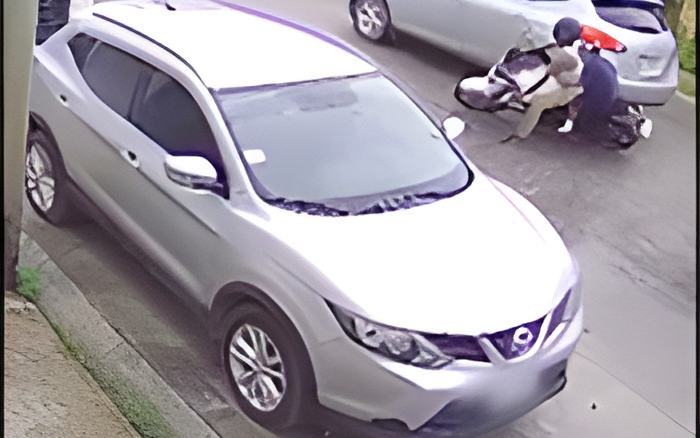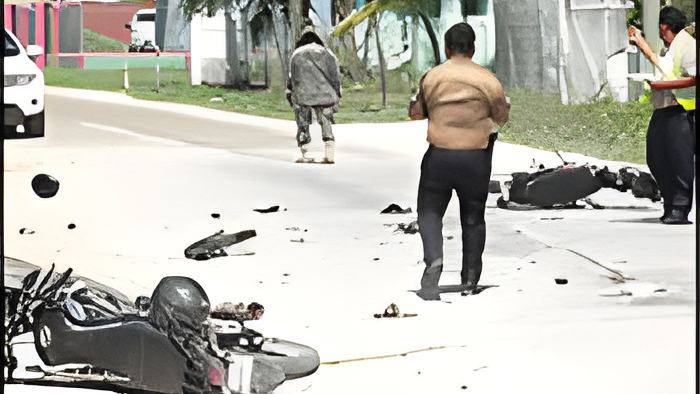
Earlier in the news you saw the most recent motorcycle accident in the city. If you ask the viewers, they'll tell you a few different reasons why it occurred, and how it could have been prevented. Some would blame the motorcyclist, while others would blame one of the drivers.
And yesterday you heard from survivors about their traumatic experiences and why they chose to purchase a motorcycle in the first place. But what are the true causes of this rash of serious and fatal accidents we've been seeing in 2024? And how can they be reduced? Courtney Menzies spoke to the Commissioner of Police and the Chief Transport Officer about it. Here is that story.
About 25% of motorcycle drivers will get into an accident - some minor, and some fatal - that's the estimate from the Department of Transport. And with more motorcycles on the road, these incidents are becoming more prevalent.
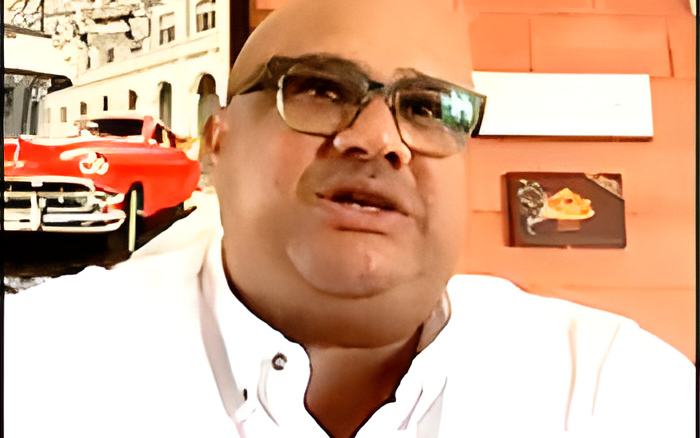
If you ask the Commissioner of Police, a large part of the fault lies with the drivers themselves:
Chester Williams, Commissioner of Police
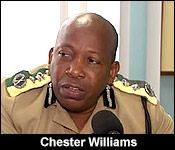
"Many times motorcycle drivers believe that or operate in such a way as if the rules of the road do not apply to them."
"They overtake on the wrong side, they see vehicles coming and still overtaking. Several infractions that they would commit on these motorcycles and it is a danger to their health and that's the reason why we're seeing that a number of persons are dying as a result of motorcycle accidents. So we want to encourage motorcycle riders to please adhere to the rules of the road and if they do so, it is going to help to save their lives."
But there are cases when motorcyclists are not respected on the road. For our accident survivors, they feel that vehicle drivers should also take some of the blame.
Jesse August, Motorcycle Accident Victim
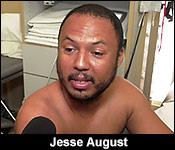
"There are a lot of careless drivers, even older drivers, I mean you would expect them to be more careful but they're not and I think that these drivers should be penalized stiffly."
Liston Emmanuel, Motorcycle Accident Victim

"People in cars aren't protecting the cycle drivers. They don't show respect, because they know four wheels, if they knock you most likely who will get hurt."
Voice of: Motorcycle Accident Victim
"The one who is more concerned about is the drivers who do not respect motorcycles, those are the ones who are the problem."
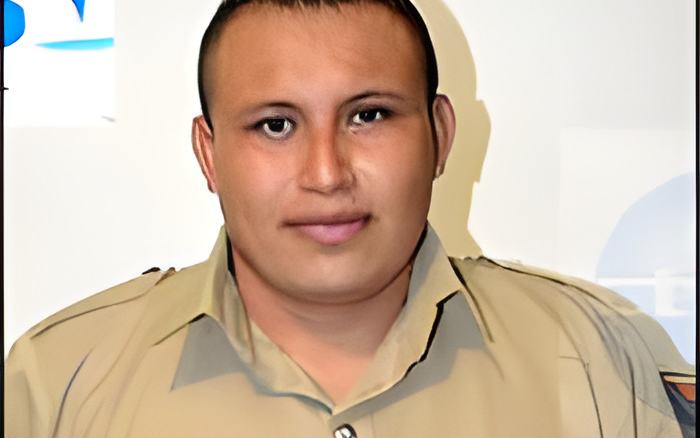
But according to the Chief Transport Officer, Leon Gentle, it all boils down to drivers in general not following the rules of the road.
Leon Gentle, Chief Transport Officer
"The idea is that most of these incidents, whether it may be a motor vehicle driver or a motorcycle, drivers are primarily because of the adherence to basic, compliance as it relates to the law. Speeding might be one of the major causes for these incidents, as well as not adhering to basic signs such as, the stop sign at an intersection or looking at the dynamics of signaling when you're turning left or right on the on the roads or on the highways."
But with the increase in motorcycle accidents - and fatalities - the department is enhancing its enforcement:
Leon Gentle, Chief Transport Officer
"The Department of Transport definitely want to increase the enforcement as it relates to safety helmets, which is by law, required for you to use on a motorcycle. We want to look at increasing the fines as it relates to motorists having violations, which may or may not deter them from having that urge to break the law."

"One of the things that came out of that PAHO session, the original session, was for them to look at a certified helmet program or certified motorcycle gear program that would encourage those selling the cycles to ensure that they sell the certified, equipment along with the cycle. I mean, here in Belize, we know that we can purchase a cycle, and not purchase the helmet, so forth, but in other countries it's mandatory for them to do so. And so these are some of the things that we need to look at to strengthen our legislation, to improve safety for motorcyclists."
And Gentle believes that that enhanced enforcement should be complemented by enhanced education.
Leon Gentle, Chief Transport Officer
"I think a part of what needs to happen, and we're working on that long term plan, is to improve the educational aspect of it, to integrate that within the education system, to look at having a graduated driver's licensing system, which we believe in the near future, should be a part of what we do here at the Department of Transport."
"I do believe that there's a chance that with increased improve legislations, with the increase in fines for traffic violations, looking at how we can address the educational aspect of it and incorporating all of that within a wider plan for the Department of Transport, that would definitely reduce the number of accidents."
And while it may lessen the number of lives lost on the road, for those who already faced the trauma of fractures or amputations, they may not be willing to test the theory. For one of our survivors, it's just not worth it:
Liston Emmanuel, Motorcycle Accident Victim
"Some people have right now and it's helping them, I don't know how to stop them but I believe that people that don't own one and want one should not try to own one again."
We'll keep following up with the Transport Department for those proposed traffic laws.