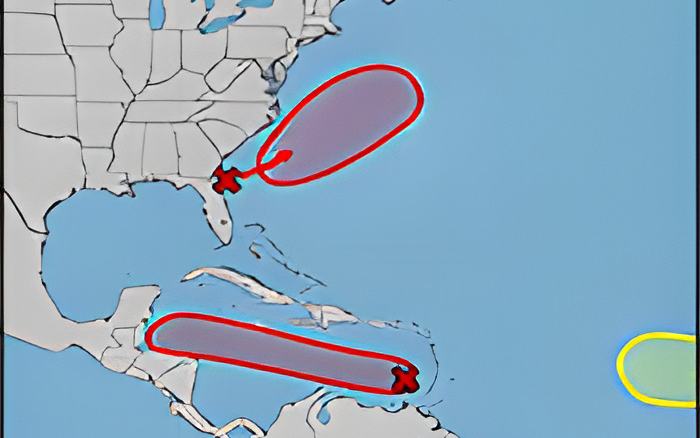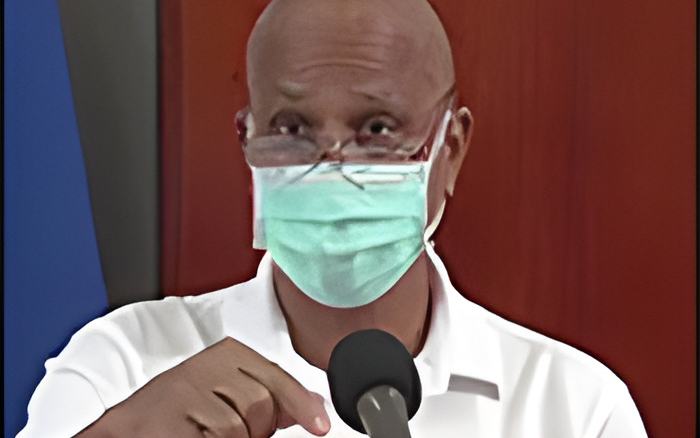

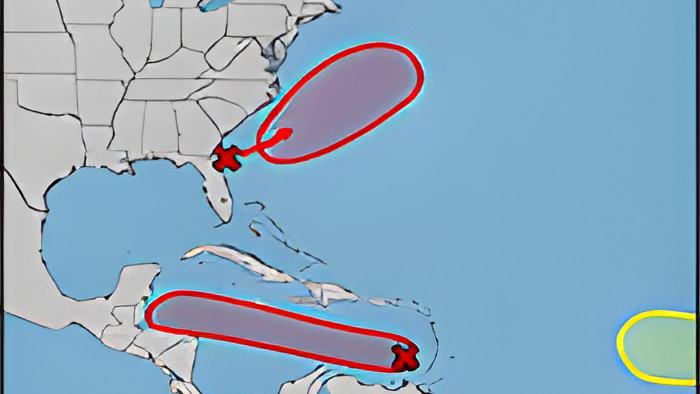
As he said, there are two scenarios at play: COVID-19 and the possibility of a storm system developing. Tonight that remains just a possibility, and the latest NEMO update says, quote, "The models used at the MET Service do NOT show significant development of this system before it reaches our coast." End quote.
But, as your heard the NEMO Coordinator say, they have to prepare for the worst case scenario - and that means managing a hurricane response with COVID protocols. Today he discussed what this entails:
Col. Shelton Defour (Ret'd.) - National Coordinator NEMO
"It's like double crosshairs on our system at this point in time to deliver, you know, the services, so we are definitely challenged and we will provide the best we can."
"Now, because of COVID 19, the protocol is different: one, we would have to fully examine the situation to determine if indeed we want people first of all to leave San Pedro, because of the level of threat. We may say it's best for people to shelter in place so as not to make the virus move."
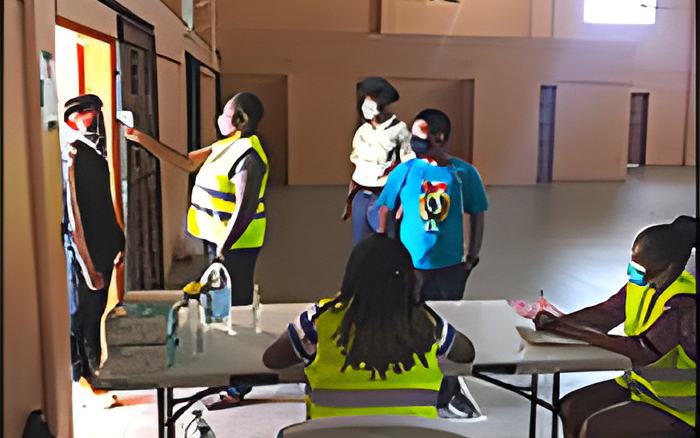
"However, if we have to do so, we have the protocol of where people would be checked by the Ministry Of Health first and foremost ti see if they are COVID positive or if they should be in quarantine, so you know exactly what type of persons is moving."
"They would have to be checked n terms of their temperature, they would have to follow all the protocols of social distance, wearing their masks and washing or cleaning their hands on a regular basis. Therefore we would have to manage the situation where there's no overcrowding of the boats or busses."
"They are meeting right now in San Pedro to look at who would meet the criteria to leave if they have to leave, and the amount of persons - some still trapped there, who would want to come off, and the likes you know?"
"What we're doing we have identified or earmarked some of our shelters that would have to be converted into COVID 19 hurricane shelters and be treated as a quarantine center, so to speak."
Reporter
"But will there be additional shelters open? Particluarly in the city with this Covid situation and the liklihood that if shelters are needed you will need Covid 19 designated shelters?"
Col. Shelton Defour (Ret'd.)
"Yes, that is the plan throughout the entire country, all municipalities and also in rural communities. The regular shelter will have two rooms or so for people when they arrive at the center who show symptoms od Covid 19, they will not be taken to the regular shelter area - they would have to be held in that area in terms of the Covid 19 screening room for referral by the ministry of health. The ministry would determine how do they deal with those individuals."
Reporter
"And also special groupings or differentiation will have to be made for elderly persons because of their extreme vulnerability to COVID."
Col. Shelton Defour (Ret'd.)
"The elderly and persons who are known to have some underlying conditions, that for example we don't see the load for a classroom for sheltering people being more than 10 persons. Normally without COVID it was at 30 persons thereabouts, now we have reduced that to about 10. And if we may have even have to reduce it at the discretion of the shelter managers to perhaps one family - if it's a small family, if it's small families, then maybe two families per classroom."
"It will not be perfect, Jules, you know I will never as a realist and a practitioner mislead the public to say that, oh, NEMO has everything in place, and it will run very smooth. It will not! It will run with challenges and we will then have to be flexible within our experience and training and the COVID 19 scenario to deliver the services as best as we can. Not because a tropical wave with the potential to become a tropical cyclone means that you panic and make a mad rush for it. No."