
And while it's a bill that's open to changes coming out of the committee meetings, the Minister and the C.E.O says that at its core it was designed to help rural communities earn their own revenues, rather than remain at the mercy of the central government public purse.
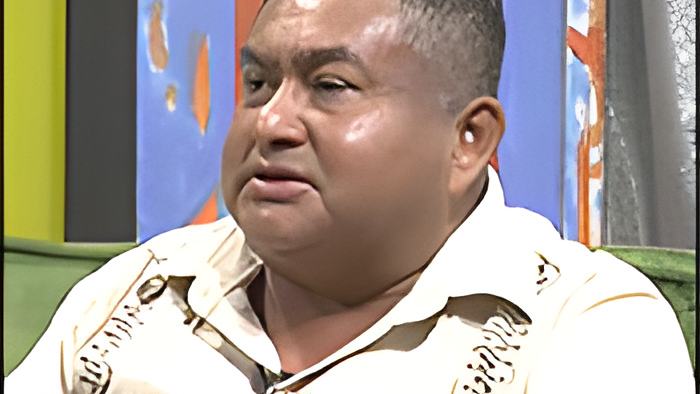
Hon. Oscar Requena
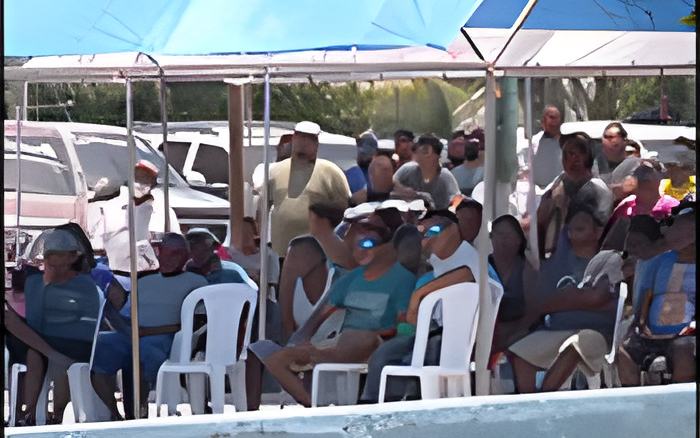
"Why the emphases on the rural area? traditionally village councils their only source of revenue is from liquor licenses and other small income that they may generate. Here we have an opportunity particularly in the bigger villages. Think about a village like Placencia where you have so many established businesses. Think about a community like Caye Caulker that is going to have its own trade licensing board. Can you imagine the kind of positive economic output that is going to have for them, in terms of revenue? So that is the positive in the bill and I think that those are the things we need to look at. It's a step forward in regulating and stabilizing and certainly promoting the economics of these communities."
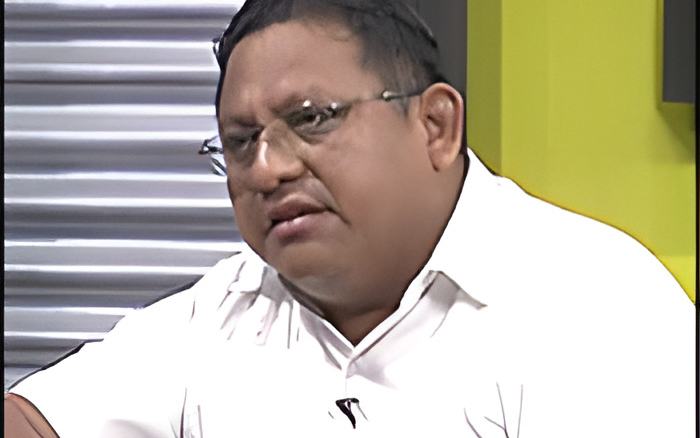
Valentino Shal
"Part of the reason why we included rural areas in the new trade license regime is because the village council act when it was passed 20 years ago gave responsibilities to village councils, local government, but gave them little to no resources and it was supposed to be a process of decentralization of deepening democracy where 50% of our population lives, but its hollow, because you give people responsibilities, you tell them you have all of this legal mandate, but you give them no resources to work. How are we supposed to develop the other half of our country under those conditions? and so when the government came under planBelize they said we will resource these village councils, so they stop going places to places looking for handout, looking for small donations to help their community - they will have from the economic activities of their own community, generate the revenue and begin to address their own problems in their own community and that is how you empower people and that is the purpose of the law."