
Turning now to other news… back in February, we first reported the Briceno Administration's Defamation Bill of 2022. It's a draft piece of legislation that the government wants to become the new law that governs defamation of character in Belize.
As viewers are aware, defamation is the act of publishing any comments, statements, or opinions which are untrue, and causes unfair damage to the character and reputation of an aggrieved citizen. The problem with the current Libel and Defamation Act is that it is an antiquated piece of legislation. It only focuses on material published in the traditional forms of media, including newspapers, television, and radio.
But, as viewers are aware, technology has progressed in the many years since this law was first created. So, persons who are defaming others on social media platforms like Facebook and Twitter are basically getting away with behaviors that the traditional media houses are held strictly accountable for. So, the Defamation Bill of 2022, if and when it is passed, will crackdown on all kinds of publications that are defamatory.
The problem is that the Government tabled legislation that affects the free press, and they didn't include the traditional media houses in any consultation process. That's primarily why there was a negative, knee-jerk reaction to the bill, but we've had some time to review it closely.
This evening, we got a chance to discuss it at length with the Attorney General, and here's what she had to say about how the new Defamation Law is contemplated to work:
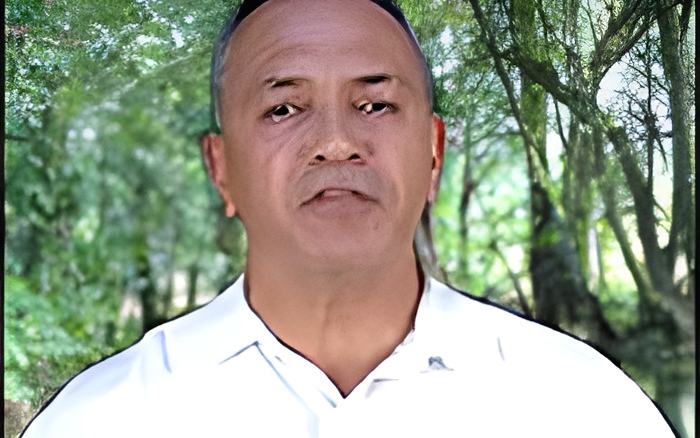
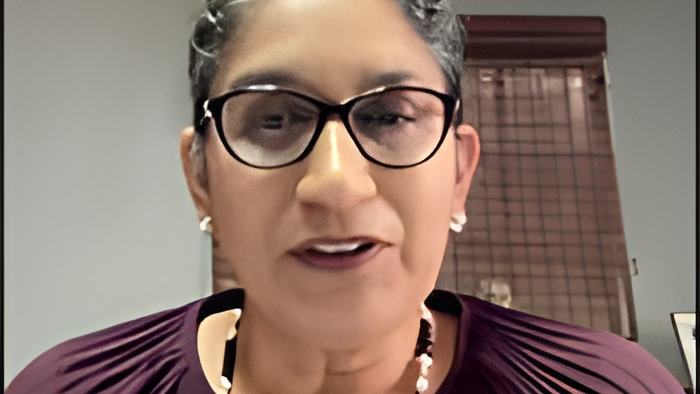
Magali Marin-Young - Attorney General
"If you look at the old Libel and Defamation Act, it speaks primarily to newspapers, and to broadcasts on radio, and broadcasts under the Telecommunications Act. It is such an old piece of legislation. It is in our 1953 revised edition of laws, and it was only amended once in 1963. So, for all these years, some 60 years, this has not been amended, revised, or modernized. Over the years, you and I know that communications technology has allowed communications to take many forms that travel instantaneously. So, the old law didn't contemplate that. There was a case not too long ago where a judge of the Supreme Court did find that a matter that was published on Facebook was defamatory, and that was the first case of its kind. But, you know, the judge had to - I wouldn't say creative, but she had to really reach within the law to recognize that. But, there is Instagram, and there is Twitter. There is WhatsApp, where you could share images. There are so many different platforms now. So, the new law will cover that kind of publication, It also will cover. We have regulated media houses like yourselves, who every year, obtain a license, and you all - there are certain ethical and regulatory criteria under your license. You have to be balanced. You have to give both sides an opportunity when you're doing a story. There is also now, social media, which is defined in the new law as the unestablished media. So, for example, you have Breaking Belize News, which is a Facebook page that publishes articles written by various persons, some of them anonymous. Some of them clearly indicate who the author is. And you also have others like Hot Off The Press. These persons don't have to get a license from any government authority, and so are not subject to the same conditions and standards the regulated media houses are. There have been instances where very defamatory matters have been published about the citizens of this country."